
How to Start Dropshipping on Shopify in 2026: A Step-by-Step Guide
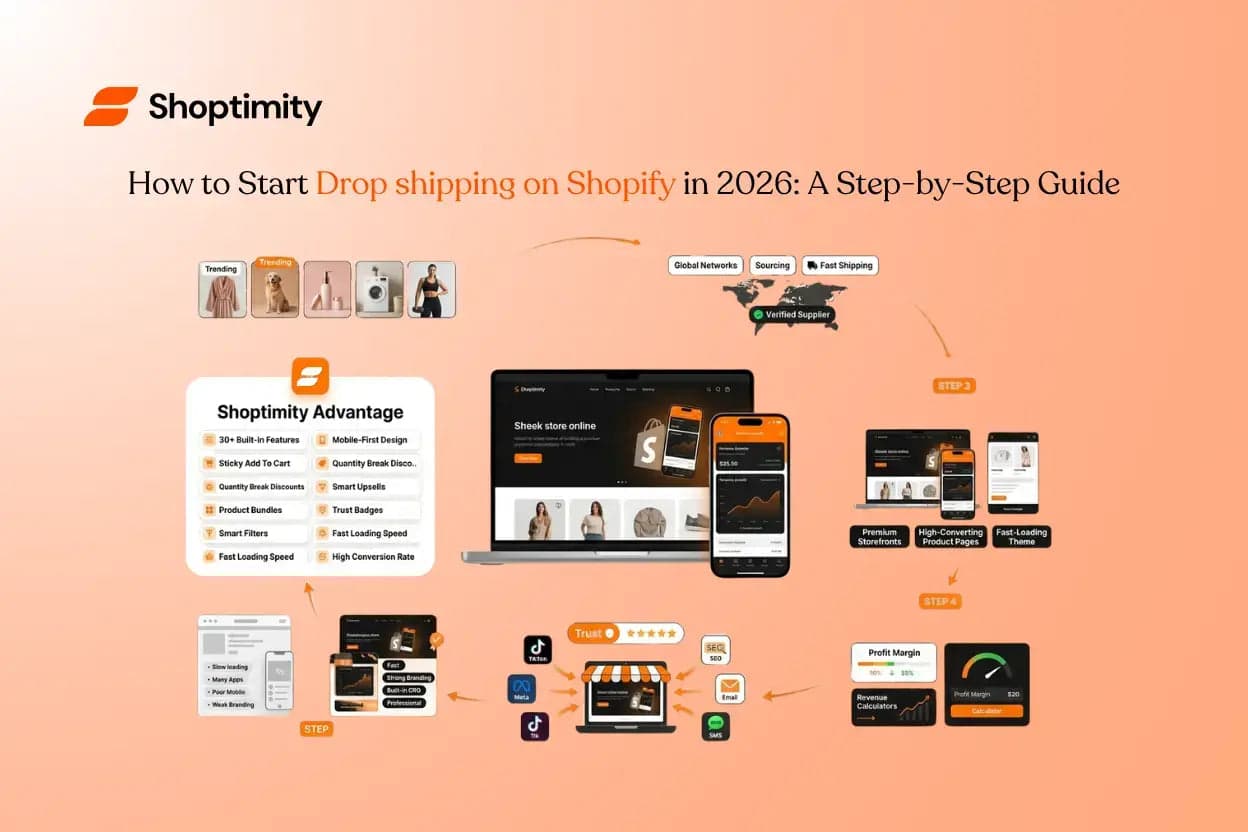
Dropshipping is still one of the lowest-risk ways to start an online business — you only pay for a product after a customer has already paid you, so there's no inventory to buy, no warehouse, and no dead stock. But the model has matured. The era of throwing up a generic store and running cheap ads is over. In 2026, the winners build real brands.
This guide walks you through how to start dropshipping on Shopify the right way — from picking a niche to launching a store that actually converts.
Is Dropshipping Still Worth It in 2026?
The numbers back this up:
But here's the honest part most "gurus" skip: only about 10–20% of dropshipping stores ever become consistently profitable, and the majority fail within the first year. Net margins typically land around 15–20%, with the best-run stores reaching closer to 30%. Ad costs have climbed too — Facebook CPMs now average well above what they were a few years ago, which means thin margins and generic products no longer survive.
Brand, customer experience, and a fast, trustworthy store are what separate the 20% from the 80%.
How to Start Dropshipping on Shopify, Step by Step
Choose a Profitable Niche
Your niche decides almost everything that follows. Aim for a niche that is:
- Specific enough to stand out — "ergonomic home-office gear" beats "stuff for your house."
- Driven by passion or problem-solving — people pay to fix a pain or feed an interest.
- Healthy on margins — you need room for ads, fees, and profit.
- Not bone-dry saturated — some competition proves demand; a thousand identical stores is a warning.
Find Reliable Suppliers
Your supplier is your fulfilment, your shipping times, and your product quality — which means they're your reputation. Options include:
- Supplier marketplaces and apps that integrate directly with Shopify for automated order routing.
- Print-on-demand partners if you're selling custom designs.
- Private suppliers or agents for faster shipping and custom branding once you scale.
Set Up Your Shopify Store
Shopify is the go-to platform for dropshipping because it handles payments, hosting, and checkout out of the box, and integrates with virtually every supplier app. To get started:
- Sign up for Shopify (there's usually a free trial)
- Add your products and write benefit-driven descriptions
- Set up payments, shipping rules, and core policies
Price for Profit
Don't just slap a 2x markup on the supplier cost and call it done. Price for net profit after the real costs:
- Advertising — your biggest variable expense.
- Platform and payment fees — small per order, but they add up.
- An allowance for refunds and returns — always budget for it.
Drive Traffic and Market Your Store
A great store with no traffic makes no money. The main channels:
- Paid social (TikTok, Meta) — fast to test, but ad costs are high, so creative quality matters more than ever.
- Organic content and short-form video — slower to build but far cheaper per customer over time.
- SEO and content — a blog and well-optimised product pages compound traffic for free; smaller stores can outrank big brands by publishing on breakout trends early.
- Email and SMS — your highest-converting channel, especially abandoned-cart and post-purchase flows.
Build a Brand, Not Just a Store
This is the single biggest shift in 2026. Profit is concentrated among sellers who build trust: consistent branding, real reviews, clear policies, fast support, and a store that looks premium. Customers who trust you buy again — and repeat customers are where margins actually live, since you're not paying ad costs to reacquire them.
Common Dropshipping Mistakes to Avoid
- ✕Choosing a saturated, generic niche with no point of difference.
- ✕Ignoring shipping times and surprising customers after they pay.
- ✕Running a slow store that kills conversions and ad ROI.
- ✕Competing on price alone instead of brand and experience.
- ✕Quitting after one failed product — testing is the job, not a setback.
Frequently Asked Questions
Ready to Launch? Start With a Store That Converts
Starting a dropshipping business in 2026 comes down to disciplined execution: a focused niche, a reliable supplier, smart marketing — and a store that's fast, mobile-first, and built to convert the traffic you pay for.
Shoptimity gives you that foundation out of the box: a conversion-focused, mobile-first Shopify theme with 30+ native features that replace costly apps, so you can launch like a real brand and keep more of every sale.
Launch a store that converts the traffic you pay for
A fast, mobile-first theme with 30+ conversion features built in — so every ad click has the best possible chance of becoming a sale.
$19/month or $160/year (save 30%) — 7-day free trial, no hidden charges.
Continue Reading
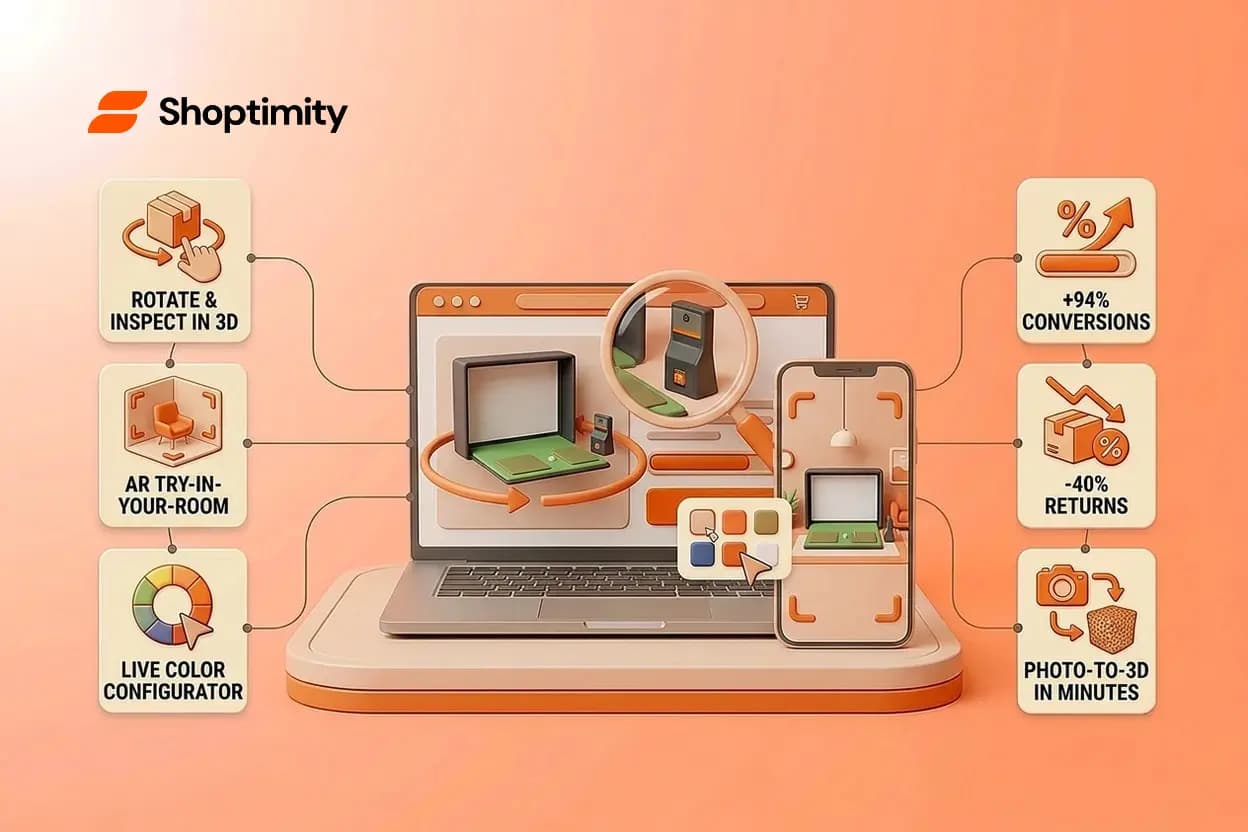
Dynamic Product Galleries: Why They Matter for High-Ticket Dropshipping in 2026
Merchants using 3D and interactive product content see conversion rates up to 94% higher than those ...
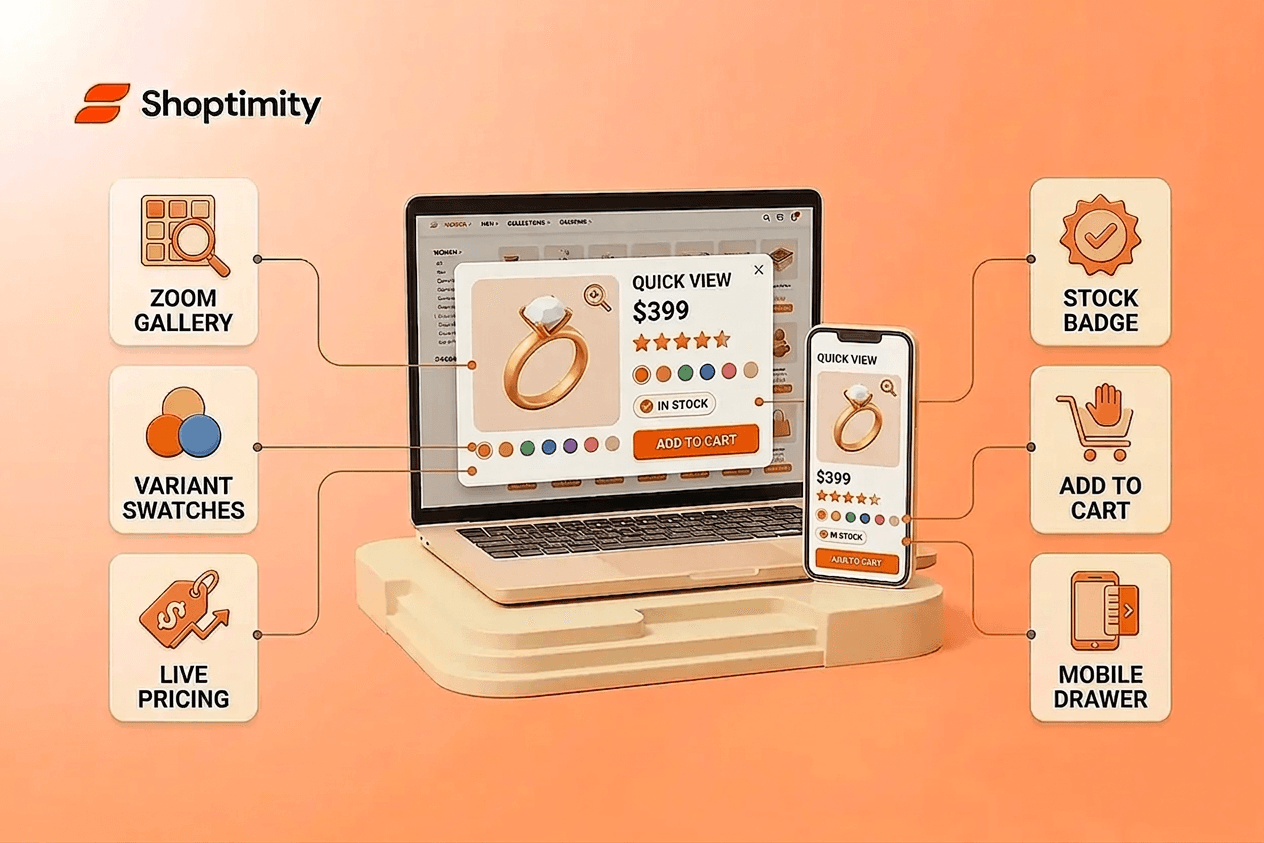
Product Quick View & Smart Filters: Essential Tools for High-Ticket E-Commerce in 2026
You're selling a $400 ring or a $2,000 golf simulator. Your customer narrows your collection by budg...
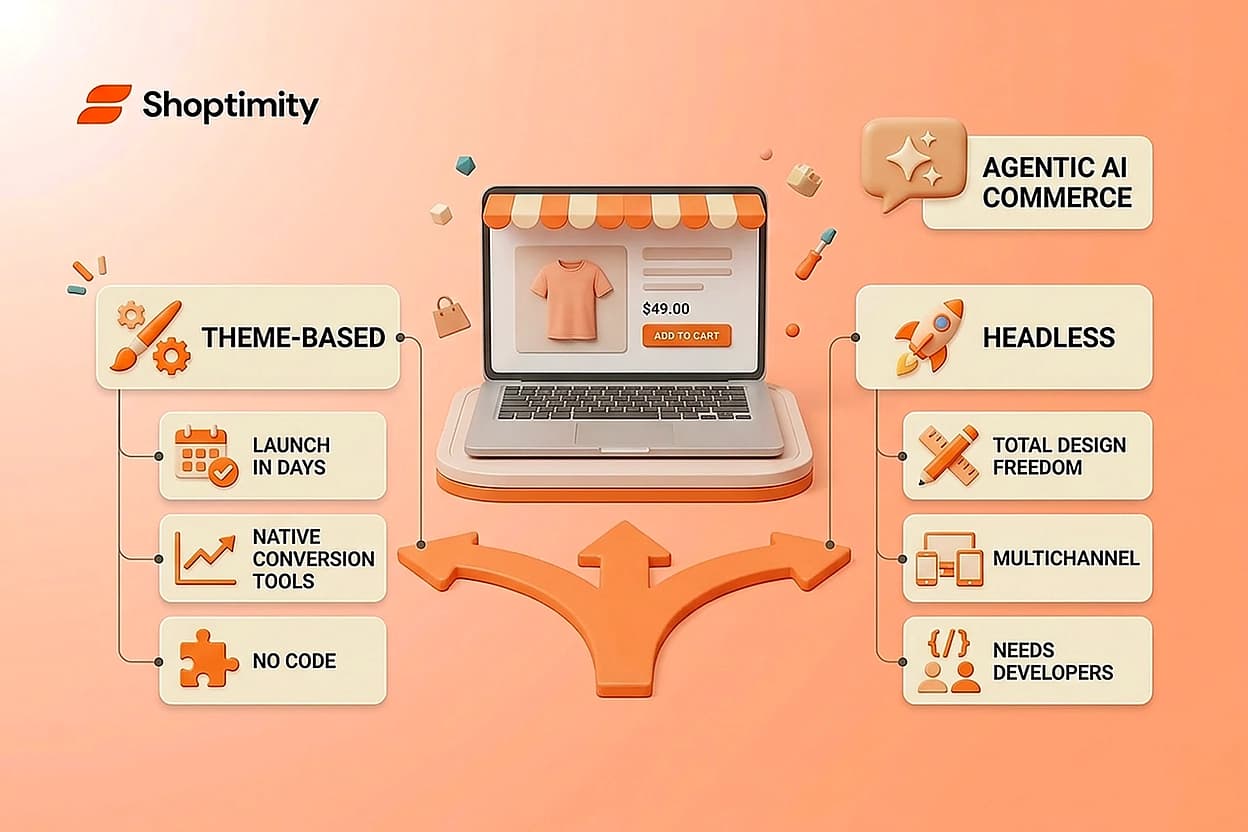
Shopify Storefronts in 2026: Headless, AI-Powered, and Built for Speed
Your online store's speed and design directly impact whether customers buy or bounce. In 2026, these...