
Why Most Shopify Widgets Will Break Your Store In 2026
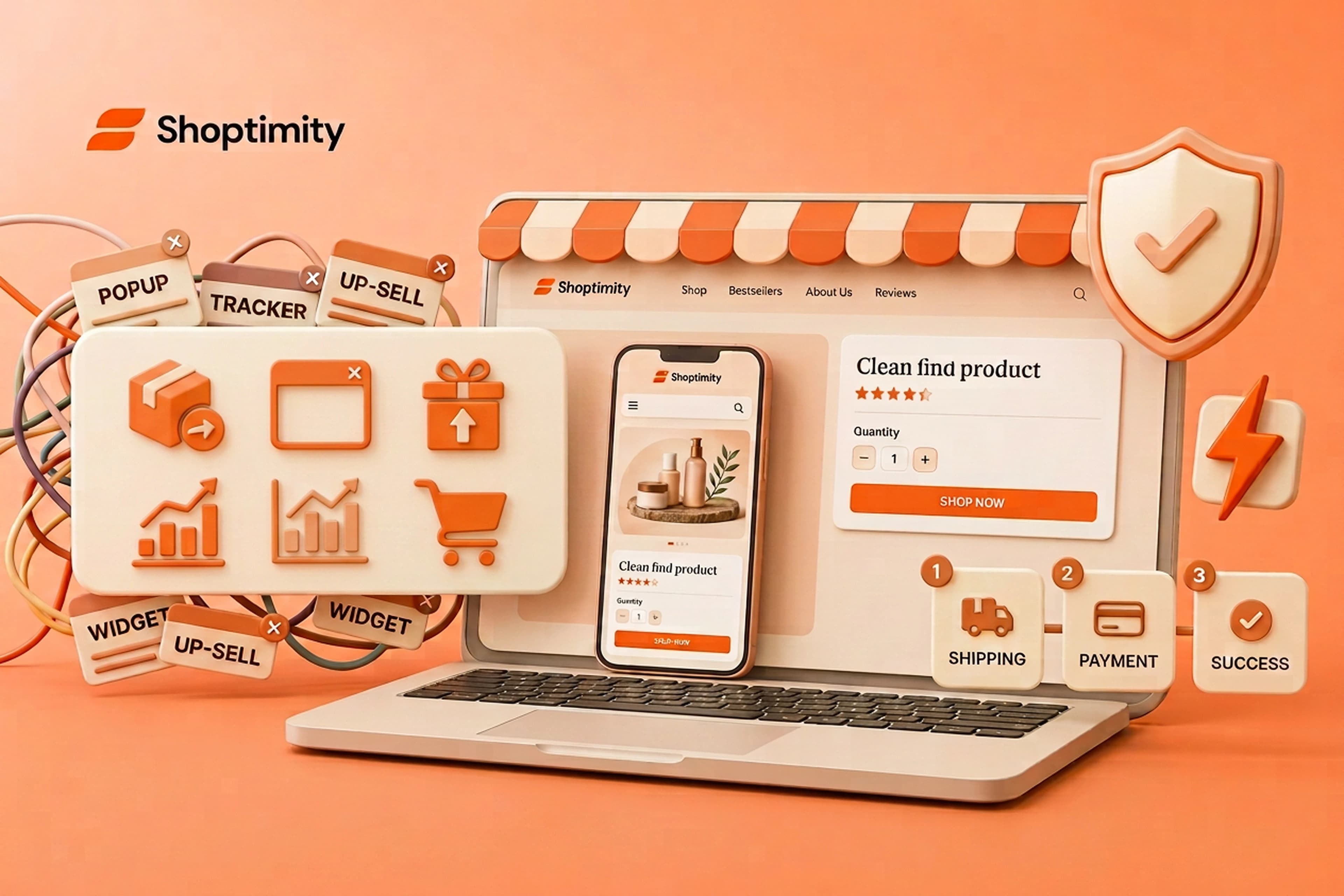
August 26, 2026 is approaching fast. Many non-Plus stores still rely on custom tracking code or legacy Shopify widgets. These checkout customizations will soon stop working. The platform is mandating a full migration to Checkout Extensibility. Miss this deadline, and your Google Ads tags and Meta Pixels go completely blind overnight.
TL;DR:
- Non-Plus stores must migrate checkout customizations to the new extensibility framework by August 26, 2026.
- Shopify Scripts shut down permanently on June 30, 2026. This breaks custom discount and shipping logic.
- App fatigue is driving a major shift away from standalone apps toward themes with built-in features.
- Checkout Blocks are now accessible to all plans, allowing native order status page customization.
What Are Shopify Widgets?
Shopify widgets are small third-party applications or code snippets. You install them to add specific features to your store. Merchants typically use them to display customer reviews or add sticky add-to-cart buttons. They also create quantity breaks or show countdown timers.
Historically, adding these blocks was the only way to build a high-converting storefront. You would visit the App Store and install five different tools. Then you pasted snippets of code into your theme liquid files.
The problem in 2026 is that the app market is entirely saturated and discovery is broken.
When I audit store performance for clients, the app list is always the first red flag. Store owners often pay a dozen different monthly subscriptions for basic features. This creates a growing trust gap between merchants and vendors. Overlapping tools cause site conflicts and massive performance drains.
The 2026 Checkout Deadline Explained
Many store owners assume the big checkout changes only apply to enterprise brands. This is a costly mistake. Shopify Plus stores had their migration deadline in August 2025. The August 26, 2026 deadline strictly targets Basic, Shopify, and Advanced plans.
Maybe you pasted an analytics snippet into the Additional Scripts box. Or perhaps you installed an app customizing your Thank You page with script tags. If so, your store is at risk. Shopify will automatically upgrade all remaining stores on that date. Any tracking code injected through legacy methods will permanently stop firing.
Your checkout will still process payments, but your underlying marketing analytics will fail.
There is also a second crucial date to remember. Shopify Scripts stop working entirely on June 30, 2026. Legacy scripts for complex shipping rules or discount logic will break early. They shut down two months before the main checkout deadline.
Replacing Third-Party App Clutter With Native Features
Stacking different Shopify widgets creates a massive JavaScript bottleneck. Every widget you install forces the browser to load external code from a third-party server. This destroys your page speed and spikes your bounce rate.
Say you run a jewelry brand with massive inventory. The GraphQL API now handles up to 2,000 product variants natively. You no longer need a clunky external app to manage complex catalogs. The platform itself has evolved, and your theme should reflect that.
Smart merchants are cutting standalone apps and moving to integrated workflows built directly into their themes.
Instead of paying separate subscriptions for a sticky cart app and quantity breaks, the modern approach is consolidation. You can see this shift in the top High-Converting Shopify Themes: The Ultimate 2026 List. The best setups now include these tools natively. Stores can achieve faster load times by completely eliminating costly third-party app subscriptions.
Protecting Your Mobile Conversion Rates
In 2026, mobile commerce demands a frictionless user experience. Shoppers will not wait three seconds for a popup widget to load on their phone.
If your Shopify widgets clash with your mobile navigation, users simply leave. This is why Checkout Blocks are now available to all plans. You can natively customize your thank you and order status pages. Add dynamic banners or personalized messages without relying on unverified third-party code.
Speed and native design dictate your customer acquisition costs in the current market.
To scale profitably, you need a setup built specifically for mobile screens. Features like mobile-specific search and swipeable product tabs out-convert standard desktop layouts. If you want to see how this impacts your bottom line, reading How To Choose A Shopify Mobile First Theme In 2026 is a great place to start.
Stop Paying For Clunky Apps And Speed Up Your Store
You now know why outdated apps are killing your page speed and breaking your tracking. Upgrade to the [Shoptimity Shopify Theme for Higher Conversions](https://shoptimity.com) to replace costly third-party tools with 30+ lightning-fast nati
7-day free trial · all themes included · cancel anytime
Continue Reading
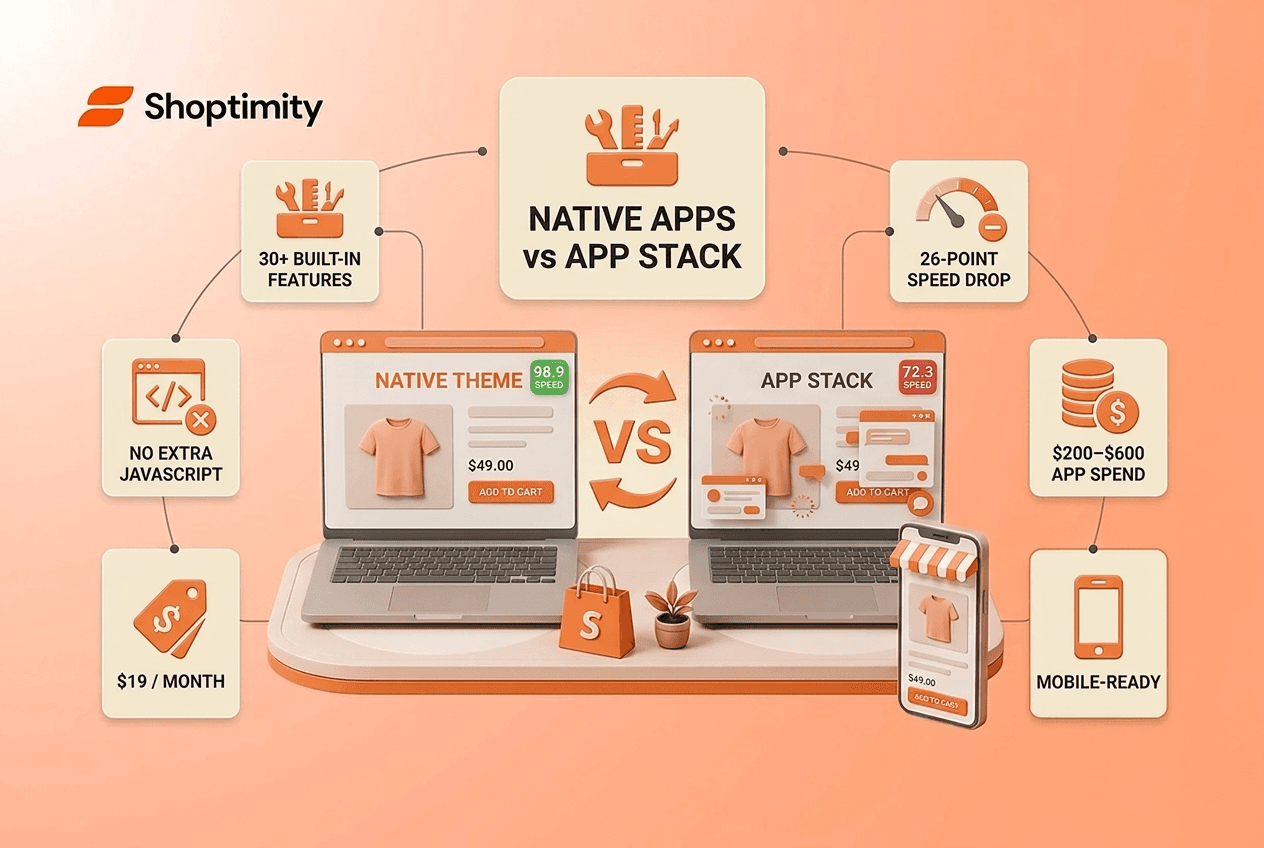
Why 30+ Native Apps Beat Building a Shopify Store Without Them in 2026
Most Shopify store owners are hemorrhaging money on the wrong things. You're paying $10 to $49 per m...
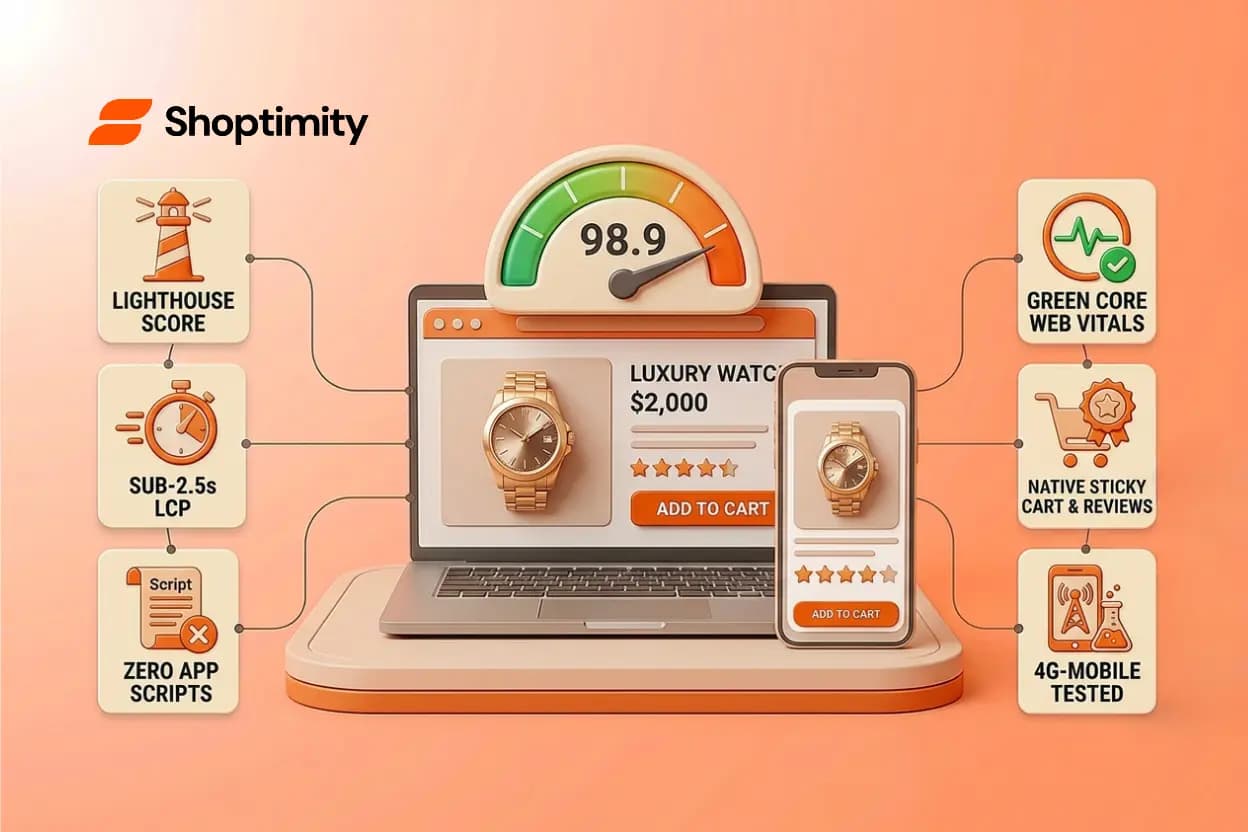
98.9 Speed Score: Why High-Ticket Dropshippers Need Lightning-Fast Shopify Themes
Every second your store takes to load costs you money. For high-ticket dropshippers selling products...
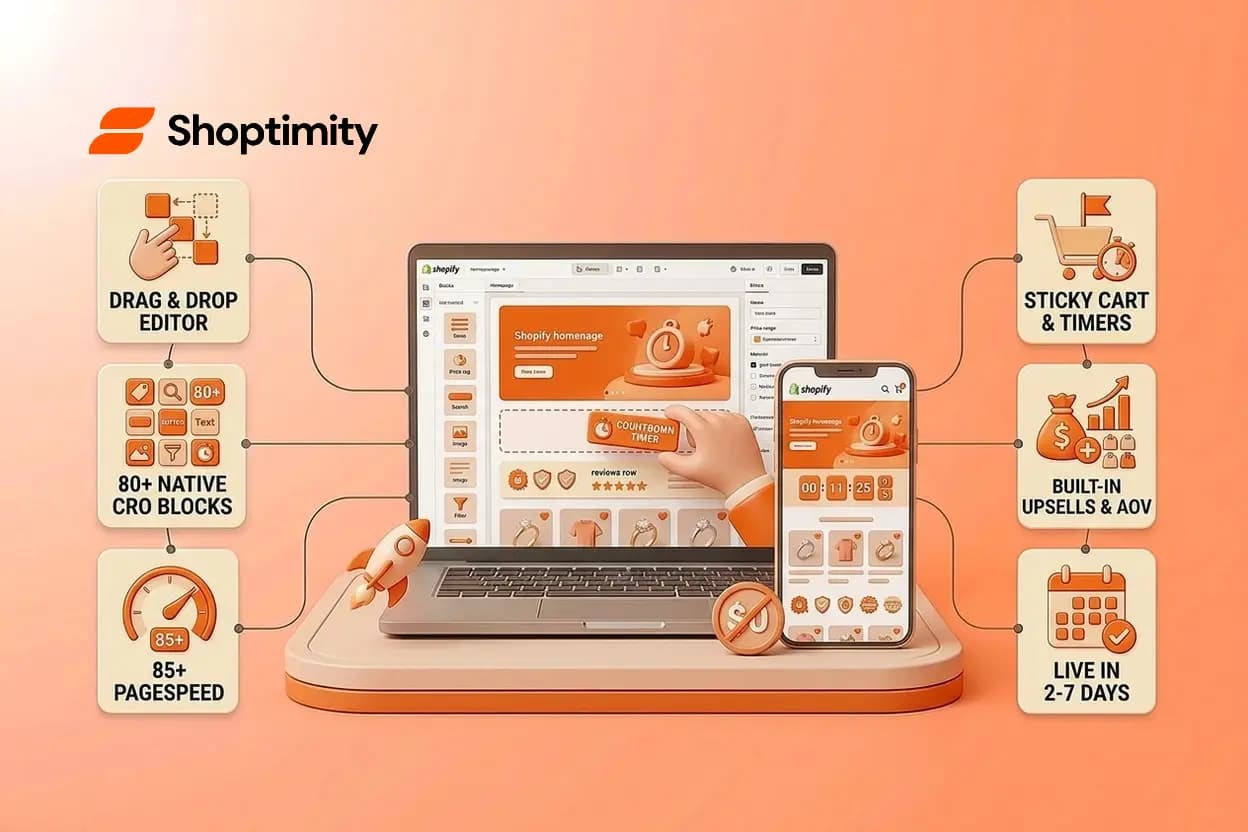
Launch a Conversion-Optimized Shopify Theme Without Coding in 2026
Most dropshippers and brand builders waste thousands of dollars on developer fees and monthly app su...