
Real Results, Beautiful Themes: Shopify's Top Performance Picks for 2026
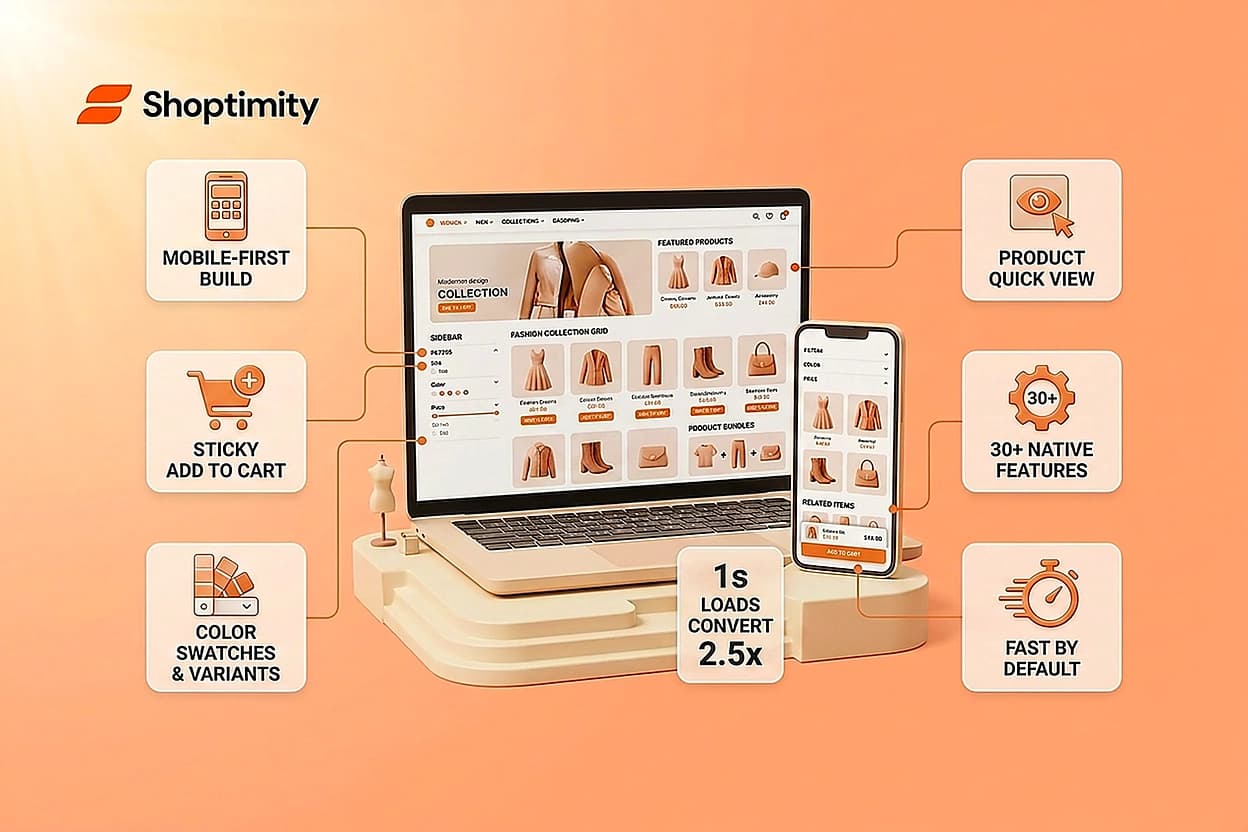
A poorly optimized Shopify theme can slash your conversion rates by up to 50% and spike bounce rates. Yet the right theme, built for speed and conversion, can deliver real results that show up directly in your revenue. In 2026, the best Shopify themes aren't the ones with the most cinematic demos. They're the ones that sell.
Key takeaways:
- Pages loading in 1 second convert 2.5x more than those taking 5 seconds.
- 74% of your traffic comes from mobile, so mobile-first design is non-negotiable.
- Built-in conversion tools, sticky carts, quick views, variant selection, replace costly third-party apps.
- Real results come from themes optimized for your audience's behavior, not generic beauty.
What Real Results and Beautiful Themes Actually Mean
When merchants talk about real results and beautiful themes, they mean design that attracts customers visually, paired with structure that moves them through checkout without friction. Beauty alone doesn't convert. A stunning hero image doesn't add revenue if the product page below is cluttered, slow, or clumsy on mobile.
Real results are measurable: higher conversion rates, lower bounce rates, improved average order value, faster page load times. Beautiful themes deliver that through thoughtful design that highlights products, clarifies variants, and builds confidence at checkout. They look modern. They load fast, work flawlessly on phones, and guide customers toward "Add to Cart" without distraction.
Why Your Shopify Theme Directly Impacts Your Bottom Line
Your theme is not just a wrapper around your products. A poorly designed theme can reduce conversion rates by up to 50%, while a fast, well-structured one lifts them significantly after launch. Theme choice drives revenue.
This matters most for three audiences. High-ticket dropshippers need beautiful themes that build trust and handle large product catalogs without slowing down. Boutique brand builders need designs that reflect their aesthetic while staying lightweight and fast. Scaling enterprises need themes flexible enough to grow without constant customization or bloated app stacks.
The theme you pick determines whether your traffic converts or bounces. In 2026, merchants are moving away from page-builder bloat and generic free templates toward conversion-optimized solutions built for specific needs.
The Speed Factor: How Faster Pages Drive Conversions
Speed is no longer optional. Pages loading in 1 second convert 2.5x more than those taking 5 seconds, and every extra second kills conversions at scale. In 2026, speed is a conversion tool.
The best Shopify themes ship with strong performance out of the box. Themes built on modern architecture, using native sections instead of external apps, achieve high speed scores without extra work. This matters because every millisecond saved translates to fewer bounces and more completed transactions.
When auditing themes, I see a consistent pattern: themes with heavy JavaScript and bloated imagery underperform. The winners load fast by default, with clean code and optimized assets. Results come from themes that don't require optimization after launch.
If 74% of your traffic comes from mobile, your theme needs to prioritize mobile-first design from the ground up, not treat it as an afterthought. Mobile-first themes load faster, serve optimized images, and simplify navigation for thumb-friendly browsing.
Building for Mobile-First: Where 74% of Your Sales Happen
Mobile commerce is no longer secondary. Mobile devices drive 74% of e-commerce traffic. Yet many themes still prioritize desktop, then squeeze it down for mobile. The best themes flip that: build for mobile first, then expand to larger screens.
Mobile-first themes simplify navigation, reduce clutter, and make browsing frictionless on a 5-inch screen. They feature dedicated search, intuitive filtering, sticky add-to-cart buttons, and quick product views so customers find what they want and check out without frustration.
Stores with mobile-first themes report higher mobile conversion rates, lower cart abandonment on phones, and stronger order values. When auditing struggling stores, the fix is often a theme redesigned for mobile behavior, not app patches.
In 2026, mobile-first isn't optional. It's the baseline.
Conversion-Focused Theme Features That Actually Move Revenue
Results come from themes built with conversion patterns in mind. These are design patterns proven to reduce friction and move customers toward checkout.
Sticky add-to-cart buttons keep the purchase option visible as customers scroll through product details, lowering checkout abandonment. Product quick views let shoppers preview items without leaving the collection page. Color swatches and image sets for variants make size and color selection obvious and fast.
Mega menus simplify navigation. Multiple product page layouts let you choose which design suits your images and customer profile. Pre-order functionality and product variants handle inventory edge cases that generic themes miss.
The best themes pack 30+ of these features natively, without third-party app dependencies. This matters for cost and performance. Each app adds scripts, slows pages, and charges you monthly. Themes with built-in conversion tools replace that stack, cutting costs and improving speed.
Audit the product page and cart, not the homepage. Your customers convert after comparing variants, reading reviews, and clicking checkout. A theme that handles those moments flawlessly is worth far more than one with a beautiful front page.
Launch Your High-Converting Store Today
You now know what separates a beautiful theme from one that sells. Start with a conversion-optimized template and see measurable results in your first month.
7-day free trial · all themes included · cancel anytime
Continue Reading
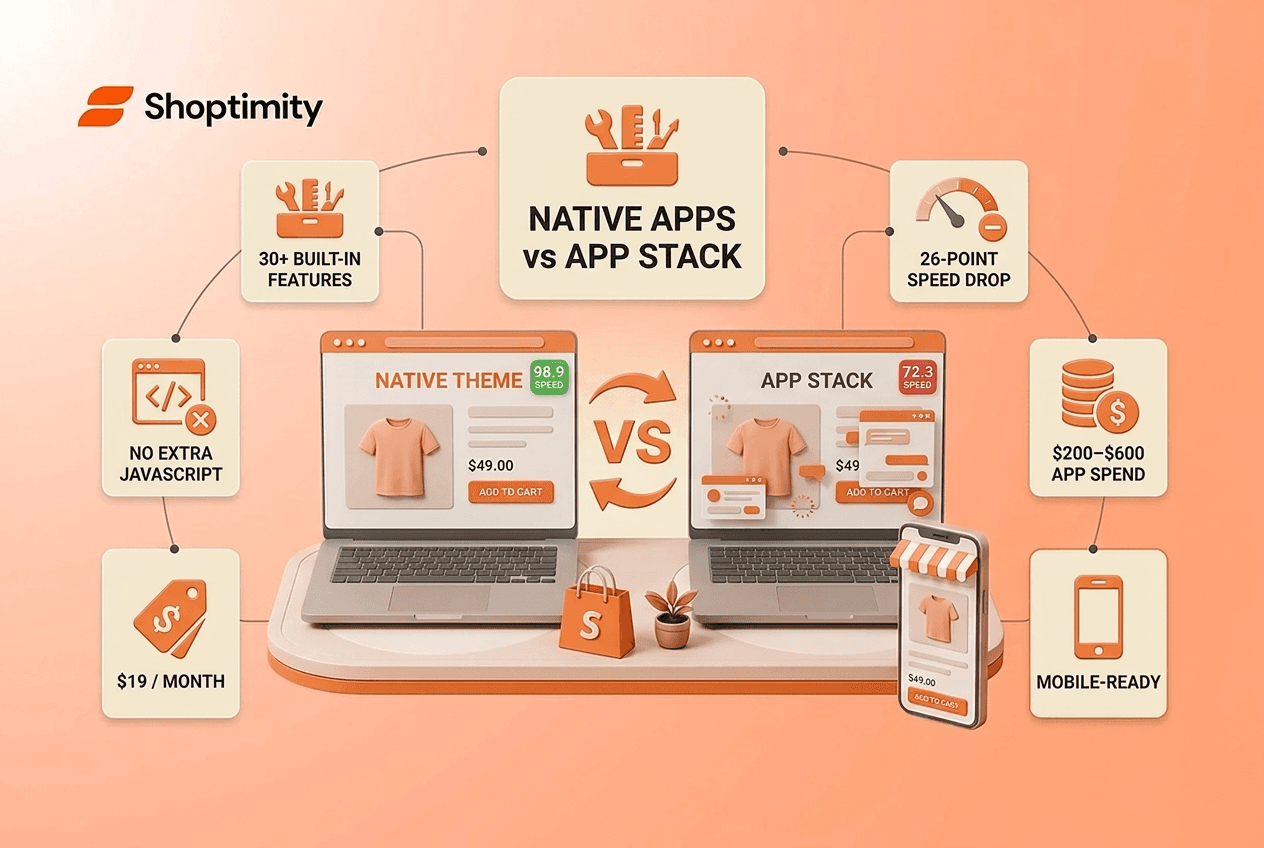
Why 30+ Native Apps Beat Building a Shopify Store Without Them in 2026
Most Shopify store owners are hemorrhaging money on the wrong things. You're paying $10 to $49 per m...
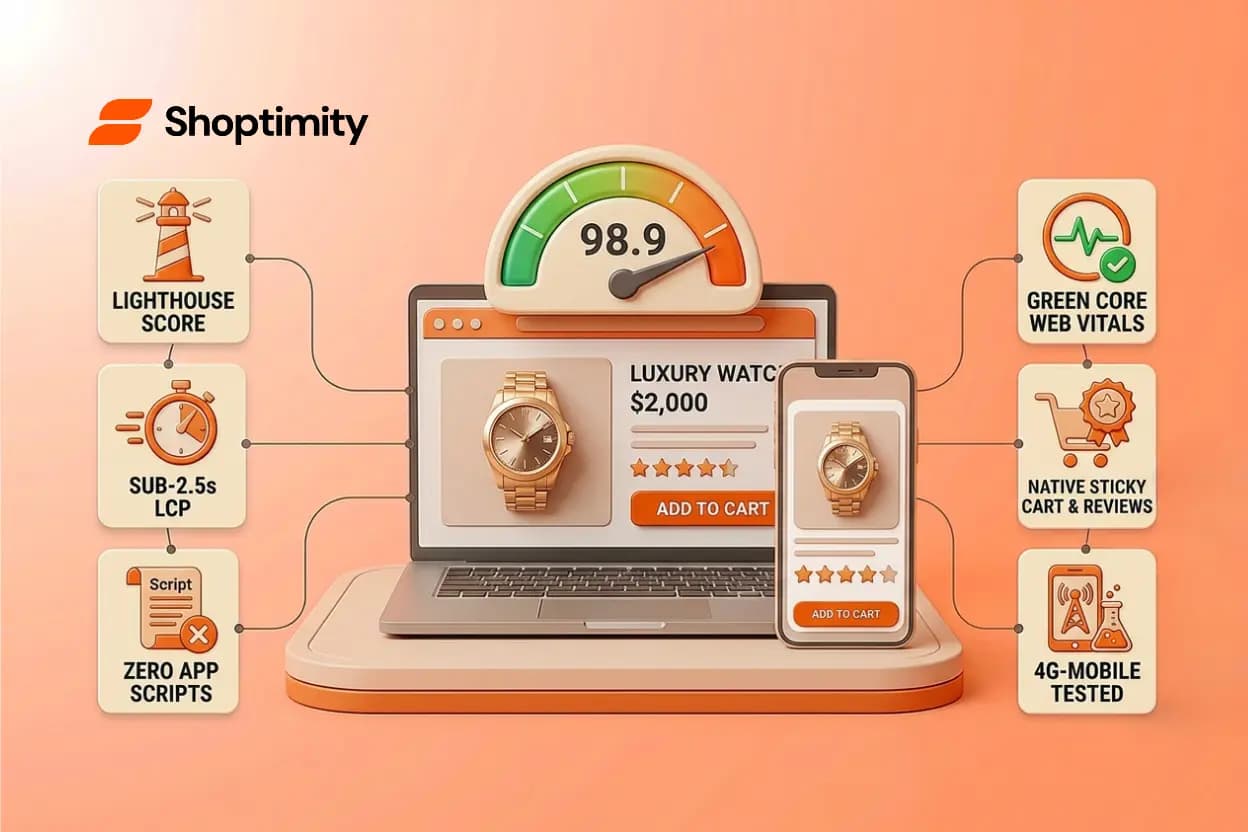
98.9 Speed Score: Why High-Ticket Dropshippers Need Lightning-Fast Shopify Themes
Every second your store takes to load costs you money. For high-ticket dropshippers selling products...
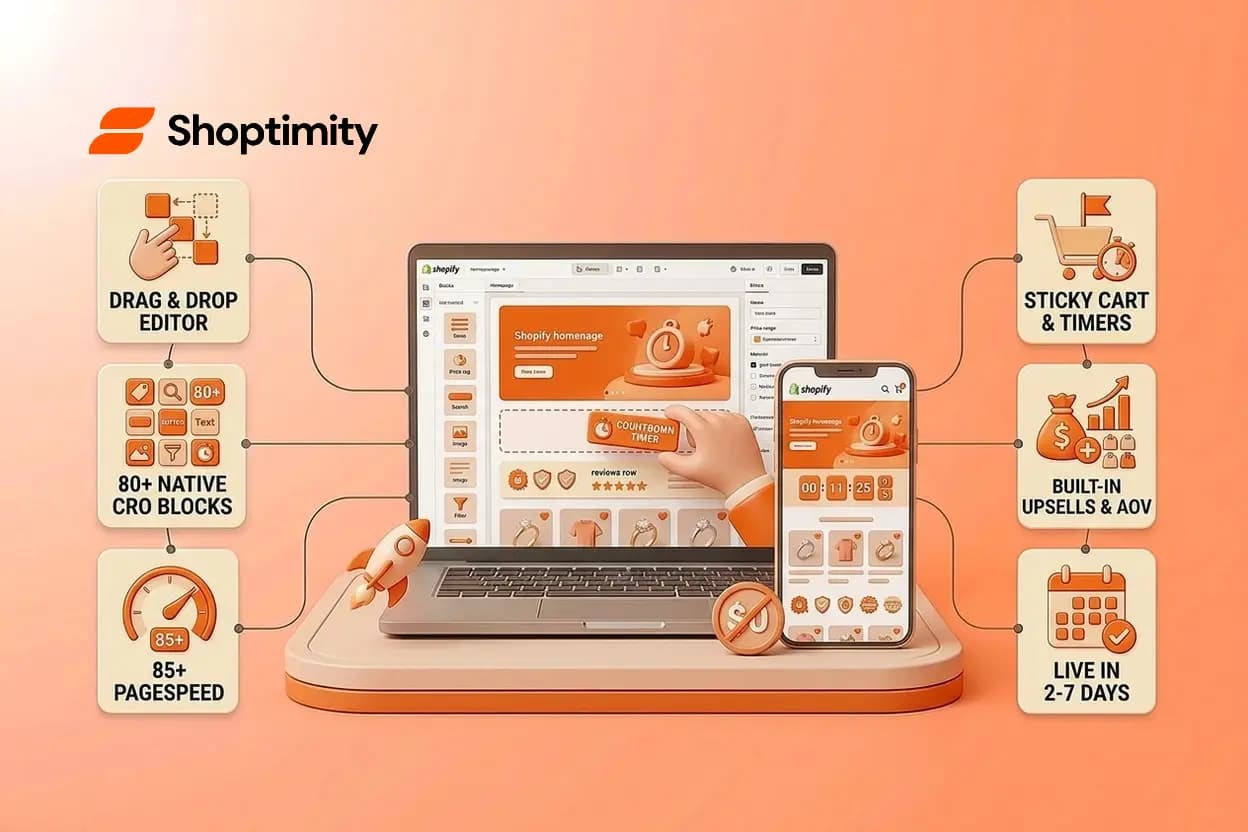
Launch a Conversion-Optimized Shopify Theme Without Coding in 2026
Most dropshippers and brand builders waste thousands of dollars on developer fees and monthly app su...