
Shopify Subscription Themes vs One-Time Purchases
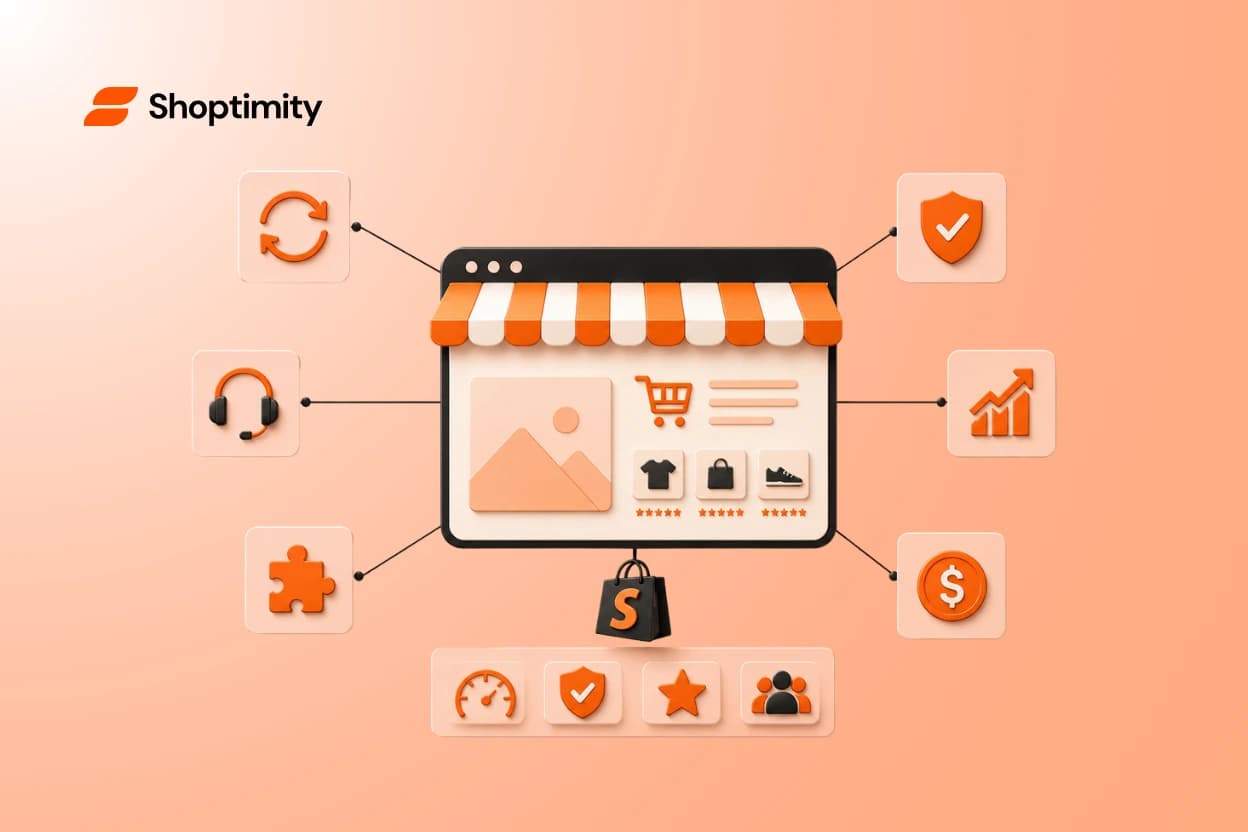
Store owners often spend hundreds of dollars a month on app subscriptions, theme updates, and developer tweaks just to keep their storefronts functional. Choosing between a traditional one-off purchase and shopify subscription themes is a major financial decision for your business.
Key takeaways:
- Premium Shopify themes cost anywhere from $89 to $420 upfront, but marketplace purchases often lack support after the first six months.
- Theme subscriptions replace expensive app stacks by bundling built-in conversion tools for a low monthly fee.
- Some one-time purchases leave you stuck with outdated code if the developer abandons the project.
- Stores making over a few thousand dollars a month should upgrade to a premium or subscription model to protect their performance.
What Are Shopify Subscription Themes?
The term "shopify subscription themes" usually refers to one of two things. First, it describes templates optimized for recurring products. Themes like Dawn or Glozin are highly rated for selling subscription boxes because they integrate cleanly with Shopify's native subscription APIs and provide a clear user experience for monthly billing.
Second, it refers to a specific pricing model. Instead of buying a template outright, you subscribe to a theme developer. This grants rolling access to templates, ongoing feature updates, and customer support for the duration of your membership.
Shopify subscription themes give you ongoing access to theme files, regular code updates, and premium features for a recurring fee instead of a massive upfront cost.
How Shopify Theme Pricing Works in 2026
Today, Shopify theme pricing falls into three main categories. First is the standard one-time purchase with lifetime updates, common among independent design studios. Second is the marketplace model. On platforms like ThemeForest, you pay a one-time fee but only receive six months of support. Extending that support costs roughly 30 to 40 percent of the original price each year.
Third is the subscription model. For $15 to $50 a month, you get access to a suite of themes and regular feature rollouts. While you lose access to updates if you cancel, the ongoing cost is usually offset by the money saved on third-party plugins.
Understanding your payment structure is vital because buying a cheap theme upfront often results in massive maintenance costs later on.
Are Premium Shopify Themes Worth It for Your Store?
Sticking to a free theme makes sense for brand new stores on a tight budget. Once you prove your product-market fit, you will need more functionality.
For any store generating more than a few thousand dollars a month, premium options are absolutely worth the cost. A high-quality premium theme replaces between $90 and $215 a month in app costs. It also protects your site load speed from app bloat. Merchants regularly break even on their theme investment in one to four months.
Premium themes cost anywhere from $89 to $420. Free options look great when empty, but they often struggle to handle complex catalogs or rich media without slowing down. If you want to dive deeper into performance, read our guide on the Best Mobile First Shopify Themes for 2026.
Investing in a premium theme stops your storefront from looking like a generic template and gives you the performance margin needed to scale.
The Hidden Costs of One-Time Theme Purchases
Many merchants pay an invoice for a one-time theme and assume their design spending is over. Then they realize their new template lacks a built-in trust badge feature, so they install an app for $9 a month. Next, they need sticky add-to-cart buttons for another $12 a month. Soon, they are paying hundreds of dollars annually to patch holes in a theme they already bought.
This exact scenario is covered in The Hidden Cost of Shopify Apps: Stop Overpaying. Every app you add injects third-party JavaScript into your store. This drags down load speeds and hurts conversion rates. You can avoid some of this by learning How to Add Trust Badges to Shopify Without Apps, but hardcoding features requires expensive developer time.
One-time theme purchases often force you into an expensive cycle of buying third-party apps just to keep your store competitive.
Why Subscription Theme Models Win for Scaling Brands
If you are tired of patching together apps and outdated theme files, a subscription model is a smart path forward. A subscription-based theme club provides a different approach than a single digital download.
For a predictable monthly fee, you get access to themes built natively on Shopify Online Store 2.0. This framework availability gives you flexible customization options across all your pages. The real value comes from what you no longer have to buy. Subscriptions often include native conversion tools built right into the code. You get faster load speeds because you are not relying on bloated third-party scripts.
Top shopify subscription themes are also optimized for mobile and include built-in social feeds or storytelling sections to help sell your brand vision. Replacing your app stack with a unified theme environment keeps your store fast and current with the latest technology.
Switching to a subscription model replaces your entire expensive app stack while giving you constant access to the latest conversion technology.
Ready to build a faster, higher-converting store?
Every Shoptimity theme ships with conversion widgets built in — so you get speed and features without stacking apps.
7-day free trial · all themes included · cancel anytime
Continue Reading
Top Shopify Theme for Wholesale: A 2026 Buyer's Guide
You've just spent weeks sourcing inventory and building supplier relationships. But when you launch ...
The Right Dropshipping Shopify Theme Saves You Thousands in Wasted Ad Spend
When a cold visitor lands on your dropshipping store, they have seconds to decide if you're legitima...
Best Shopify Themes for Canadian Fashion Brands in 2026
Your Shopify theme isn't just decoration. It directly affects whether customers trust your brand, ho...