
The Future of Shopify Themes: What To Expect in 2026
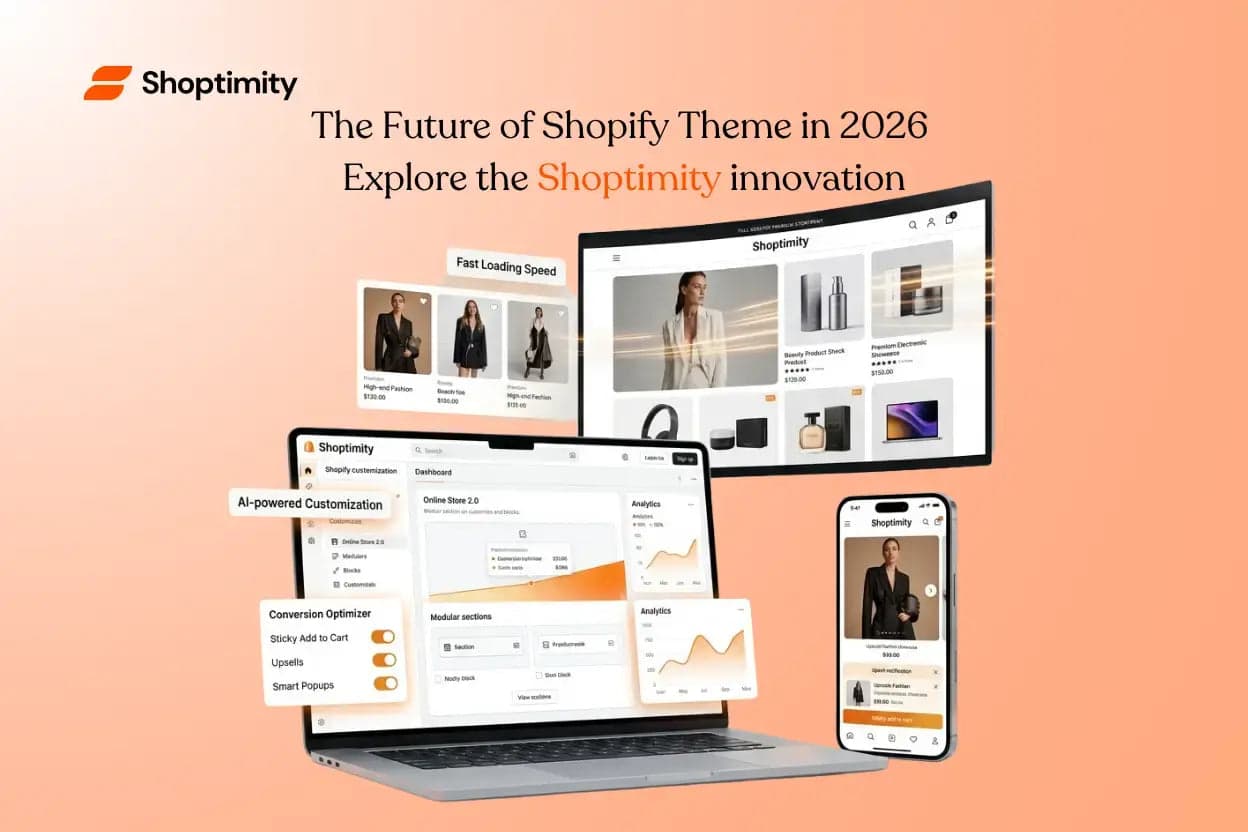
Shopify is constantly pushing ecommerce forward, and theme design now plays a direct role in your brand's growth, conversion rate, and profit margins. Choices made at the theme level often determine whether your store is fast, attractive, easy to manage, and ready for rapid changes in consumer expectations — especially as mobile traffic keeps rising.
A strategic approach to theme selection considers more than looks. Merchants are shifting focus to faster performance, higher average order value (AOV), reduced reliance on third-party apps, and the certainty of reliable updates and support. Understanding how Shopify themes are evolving puts you in the best position to make cost-effective choices and boost long-term results.
Why Theme Choice Matters in 2026
Choosing the right theme impacts your business well beyond launch. While it may seem like a visual decision, a theme's performance, app compatibility, and flexibility shape your customer journey every day.
📈 Boost conversion rates
Conversion-optimised themes turn more browsers into buyers by loading quickly and guiding visitors through checkout.
🔧 Minimise technical headaches
Themes built on stable, modular frameworks integrate smoothly with Shopify's core updates and reduce code conflicts.
🤝 Drive brand trust
Shoppers decide in seconds — crisp, contemporary design with clear navigation cultivates trust and brings them back.
🧪 Simplify growth & testing
Block- and section-based themes allow fast campaign launches and layout experiments without developer bottlenecks.
Common mistakes with outdated themes
- ✕App overload — stacking third-party apps to fill feature gaps slows your store and creates maintenance hassles.
- ✕Neglecting mobile — themes not tuned for mobile see high bounce rates and missed sales as mobile shopping rises.
- ✕Delaying updates — skipping them causes compatibility problems, security risks, and missed enhancements.
- ✕Poor fit for the business — ignoring catalog size, scaling plans, or conversion goals leads to expensive rework later.
Regularly review your store's performance and feature needs. Proactively updating your theme helps you keep pace with merchant expectations and technology advances.
Key Traits of Top-Performing Themes in 2026
- Sub-two-second load times — speed matters for SEO and conversion; modern themes often hit 98/100 mobile speed, slashing bounce rates.
- Mobile-first, story-driven design — small-screen layouts that highlight value, clear CTAs, and thumb-friendly navigation.
- Premium features built in — urgency timers, sticky add-to-cart, upsells, and smart popups come standard, not via heavy external apps.
- Optimised checkout on all devices — theme-embedded flows tested to prevent drop-offs on desktop, tablet, and mobile.
With Shoptimity, these priorities are baked in. It leverages more than 80 built-in blocks and conversion-focused features with no ongoing app fees or coding required. Robust license management, flexible subscription plans, and frequent updates help merchants stay future-ready with predictable, low-commitment pricing.
Look for these qualities in a 2026-ready theme
- Online Store 2.0 compatibility and full use of "sections everywhere."
- Niche-specific, industry-tested templates out of the box.
- Deep customisation — fonts, colours, content blocks, and banners editable without code.
- Streamlined license management for running multiple stores.
- Reliable support and data-driven updates.
Free vs Premium: Weighing Your Options
Theme selection is about value, not just cost. Free themes help some new stores launch quickly, but hidden costs and feature gaps often appear with growth.
When free themes are enough
- Small catalogs (usually under 50 items).
- New merchants validating a concept with limited capital.
- Basic stores where minimal design or branding is acceptable.
- Projects with short lifespans or seasonal use.
When premium becomes a strategic investment
- Growing stores passing $50,000 in revenue or with rising ad spend.
- Merchants needing conversion tools to boost AOV and upsell rates.
- Brands eliminating monthly app costs — premium themes can save $1,200–$2,400+ per year.
- Heavy mobile traffic, where speed and navigation affect 70%+ of orders.
- Businesses expanding internationally or into B2B/B2C hybrids needing specialised layouts.
Hidden costs of free themes long-term
- ✕Recurring app expenses — popups, cross-sells, and custom forms often cost $50–$150/month combined.
- ✕Customisation hours — a unique look can demand 40–80 hours of manual work, versus 10–20 with a quality pre-built theme.
- ✕Performance drag — multiple apps and code injections slow your site and complicate troubleshooting.
- ✕Overlooked maintenance — free themes may lag on updates, risking vulnerabilities and a degraded experience.
| Feature / cost | Free themes | Premium themes |
|---|---|---|
| Upfront price | $0 | $300–$400 (or low fee) |
| Monthly app dependency | 8–12 apps ($50–$150) | 2–4 apps ($20–$50) |
| Setup / customisation time | 40–80 hours | 10–20 hours |
| Total 12-month outlay | $600–$1,800+ | Theme + $240–$600 in apps |
| Performance | Variable | Optimised |
| Mobile-readiness | Often limited | Guaranteed |
| Maintenance effort | Medium | Low |
Estimated ranges for typical merchants.
Upgrade at the pace your business requires. A flexible Shoptimity plan provides a faster, more conversion-focused storefront while cutting the recurring app costs that free themes accumulate.
Recent Evolution in Theme Development
- Block-first, modular architecture — create, arrange, or remove content in "sections everywhere," reducing dependency on page-builder apps.
- Online Store 2.0 full support — robust app blocks and nested sections ensure long-term stability and easier upgrades.
- Performance & conversion focus — out-of-the-box speed scores over 95/100 and built-in A/B testing now come standard.
- AI-powered customisation — section suggestions, smart layout planning, and auto-integration of high-converting patterns.
- Industry-specific templates — ready-made layouts for apparel, beauty, pet care, electronics, and more.
Best Practices for Selecting by Business Type
Match your theme choice not just to your current catalog, but to your goals for scaling and storytelling.
| Store type | Recommendation | Free suitability | Feature priority | Pitfall to avoid |
|---|---|---|---|---|
| Small / startup (0–100 SKUs) | Start free, move to premium with growth | High | Easy setup, mobile-first | A theme that can't scale |
| Fashion / beauty | Invest in premium early | Low | Visuals, image optimisation, storytelling | Slow site from heavy graphics |
| Dropshipping / high-volume | Premium only | Not advised | Scalability, fast search and checkout | App overload and slowness |
| Content / storytelling | Premium for flexible layouts | Medium | Flexible blocks, rich media | Too many content plugins |
| B2B / wholesale | Niche premium themes | Not advised | Account controls, custom pricing | Lacking B2B features |
Small / startup (0–100 SKUs)
Fashion / beauty
Dropshipping / high-volume
Content / storytelling
B2B / wholesale
- Select a theme that reflects both your current size and anticipated growth.
- For storytelling or editorial brands, prioritise block flexibility and easy video/image integration.
- For complex or high-traffic stores, built-in CRO features replace expensive app stacks and keep performance high.
Theme Implementation Checklist
Before you select
- Define business goals, product count, anticipated growth, and target conversions.
- Confirm Online Store 2.0 compatibility and any existing integrations.
- Audit your traffic — high mobile means a mobile-first theme is required.
- Examine customisation flexibility for brand consistency without code.
- Weigh one-time vs ongoing costs: theme price, app dependencies, developer time.
- Create a realistic migration plan covering images, custom content, and app logic.
After launch
- Test real-world site speed; aim for sub-2-second loads on mobile.
- Validate mobile navigation, cart, and the full checkout flow.
- Remove apps replaced by built-in theme functions.
- Test all conversion modules — timers, upsells, forms — for functionality.
- Use analytics to spot and fix bounce or drop-off issues, and run A/B tests.
Ongoing maintenance
- Apply theme updates promptly for security, performance, and feature releases.
- Audit speed and conversion metrics at least quarterly.
- Keep records of any code or section overrides for smooth future upgrades.
Common Pitfalls When Choosing or Switching Themes
- ✕App bloat reducing speed — relying on 10+ apps for missing features means longer loads and complexity. One gadget retailer removed 7 apps after migrating to a premium theme, improving load time from 4.7 to 1.8 seconds.
- ✕Skipping theme updates — leads to compatibility issues with Shopify core updates, security gaps, and missed CRO improvements.
- ✕Choosing pretty but functionally weak — prioritise business-fit and critical features; don't get distracted by design alone.
Always check merchant reviews, support resources, and development update frequency when evaluating your next theme.
Frequently Asked Questions
Looking Ahead: What's Next for Shopify Themes
- AI and automation — automatic block setup, predictive content suggestions, and smart product recommendations.
- More modular, developer-friendly themes — granular blocks, schema flexibility, and safe app integrations.
- Inclusive, multi-market designs — native accessibility compliance and localised storefronts to reach new markets faster.
- Even greater out-of-box speed and conversion — CRO and performance optimisations as default, not upsells.
Build on a theme built for results
Make your Shopify store fit not just for today, but for everything 2026 — and the future — brings. Fast, mobile-first, and conversion-focused at its core.
$19/month or $160/year (save 30%) — 80+ built-in features, 24/7 support, 7-day free trial.
Information disclaimer: this guide reflects Shopify theme capabilities and industry best practices as of June 2026. Features, pricing, and support continue to evolve, and conversion, speed, and ROI outcomes depend on your implementation, products, and customers. Always review Shopify resources or speak with a theme expert for advice tailored to your business.
Continue Reading
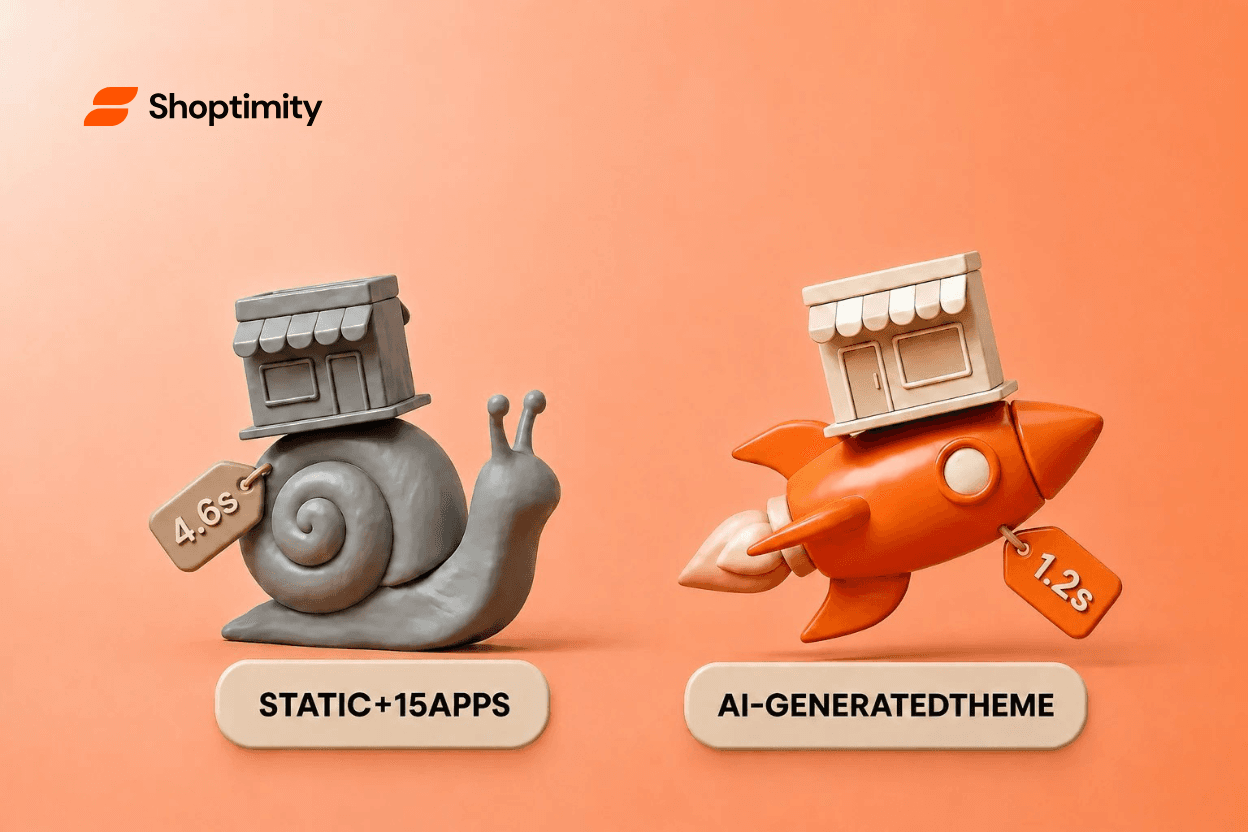
How to Scale Conversions with an AI Shopify Theme Store Builder
Seventy percent of retail executives plan to implement artificial intelligence tools in 2024 to stay...
How to Fix Core Web Vitals on Shopify for Faster Speeds
You spend months perfecting product photos, collection layouts, and checkout flows. Yet, many ecomme...
Shopify Subscription Themes vs One-Time Purchases
Store owners often spend hundreds of dollars a month on app subscriptions, theme updates, and develo...